Ceiling Water Damage in Augusta: Leak Repair & Restoration
A stained, sagging, or dripping ceiling is one of the most stressful sights a Augusta homeowner can walk into. The water you see on the drywall is rarely the real problem. The real problem is upstream: a slow supply line, a failed wax ring, a roof penetration that finally gave up, or an HVAC condensate drain that has been quietly soaking the framing for weeks. By the time the ceiling shows it, the cavity above has already been wet for hours or days.
At Augusta Water Restoration, we have been responding to ceiling leaks across central Indiana since 2018, and we have learned that the cost and complexity of the fix depend almost entirely on the source. A clean supply line break drying into a popcorn ceiling is a very different job than a Category 3 toilet overflow saturating insulation in a second floor bathroom. Both look similar from the living room. They are not similar at all when it comes to water damage restoration, demolition scope, or insurance.
This guide gives you one detailed comparison of the most common ceiling leak sources in Augusta homes, with the realistic numbers and decisions that go with each. If we cannot help you on a given job, we will tell you directly. What we will not do is guess at the source or skip moisture mapping.
Why Your Ceiling Is Telling You Something Urgent
A stained ceiling is a symptom, not the problem. The water tracking down your drywall traveled along a joist, a pipe, or a roof rafter before it found the lowest point and started pooling. By the time you see a ring the size of a dinner plate, the cavity above has likely been wet for hours or days. In Augusta homes, the three culprits we see most often are roof leaks after a heavy storm or ice dam, supply line failures in second floor bathrooms, and HVAC condensate lines that have clogged and overflowed into the attic. Each source leaves a slightly different fingerprint. Roof leaks tend to stain in irregular patterns near exterior walls. Plumbing leaks usually sit directly below a bathroom or kitchen fixture. Condensate overflows show up in summer near the air handler. Knowing the difference matters because the repair path, the dry out plan, and the insurance conversation all hinge on the source.
The other reason to move quickly is structural. Drywall holds roughly its own weight in water before it gives way, and a saturated sheet can drop without warning. If you see a sagging bubble or hear creaking, keep people and pets clear of the area, place a bucket underneath, and if you are comfortable doing so, poke a small relief hole with a screwdriver to release the pooled water in a controlled way. That single step can save you a full ceiling replacement. Then call a restoration team. You can read more about 24 hour water damage emergency response if the leak is active right now and you need someone on site tonight.
Color and texture tell their own story. A yellow or brown ring usually means the water has been sitting long enough to leach tannins from wood framing or old paper backing, which points to a slower, repeating leak rather than a fresh event. A clean, almost translucent damp spot that appeared overnight is more typical of a sudden pressurized line break. If the stain is dark gray or has a fuzzy edge, mold growth is already underway and the cavity has likely been wet for two weeks or longer. Smell matters too. A musty earth odor near a vent or closet, even without a visible stain, is often the first warning that water is moving through insulation you cannot see.
What Happens When Augusta Water Restoration Arrives at Your Augusta Home
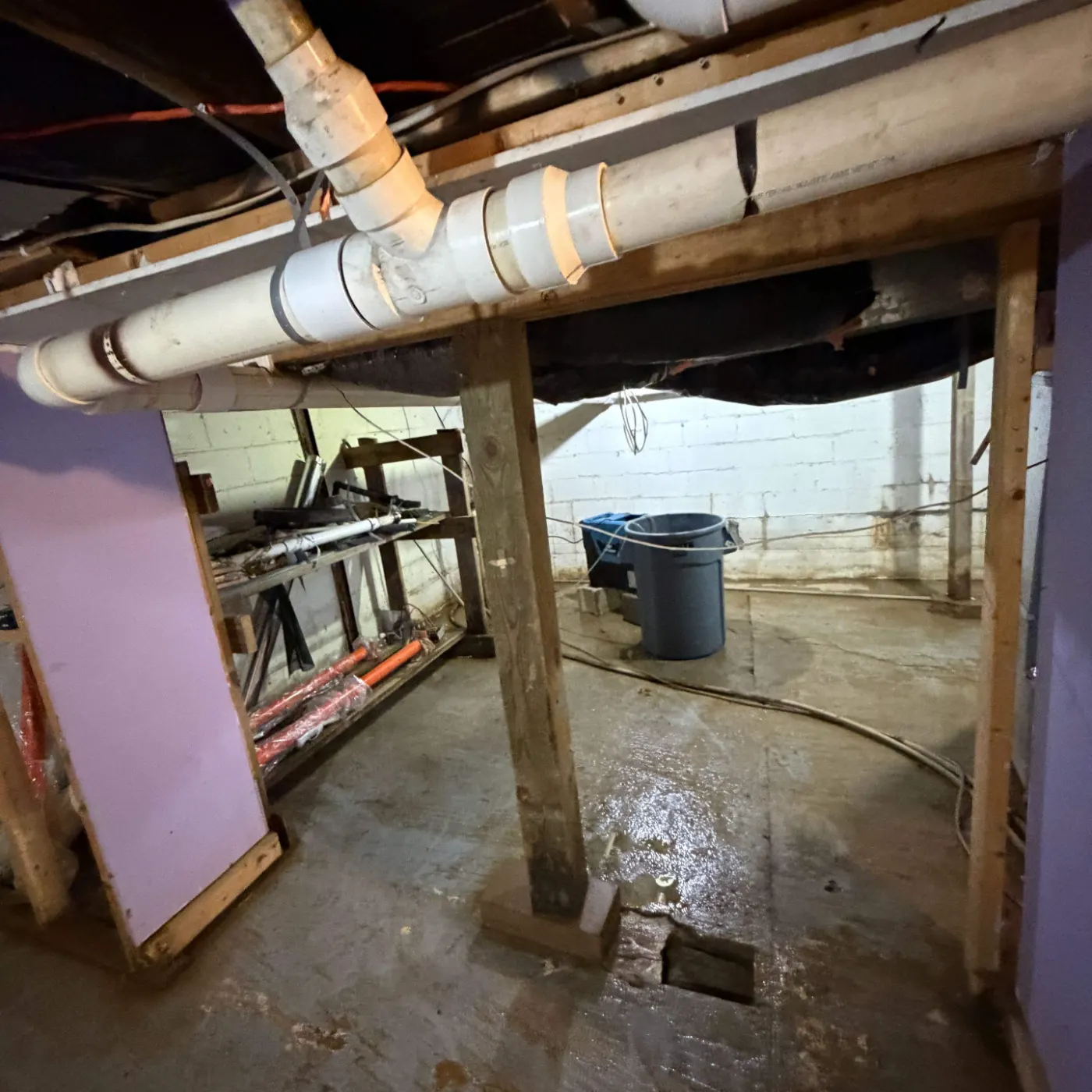
Our first job is to stop the water, not to start tearing things apart. If a pipe is involved, we shut the supply at the fixture or the main. If it is a roof issue, we tarp the affected area to buy time before permanent repairs. Once the source is contained, we use thermal imaging cameras and moisture meters to map the wet area inside the ceiling cavity. This is the step homeowners almost always skip when they try to handle a leak themselves, and it is the step that prevents mold calls six weeks later. Water travels. A leak above the dining room can end up wetting drywall fifteen feet away along a joist channel, and unless you measure, you will not find it.
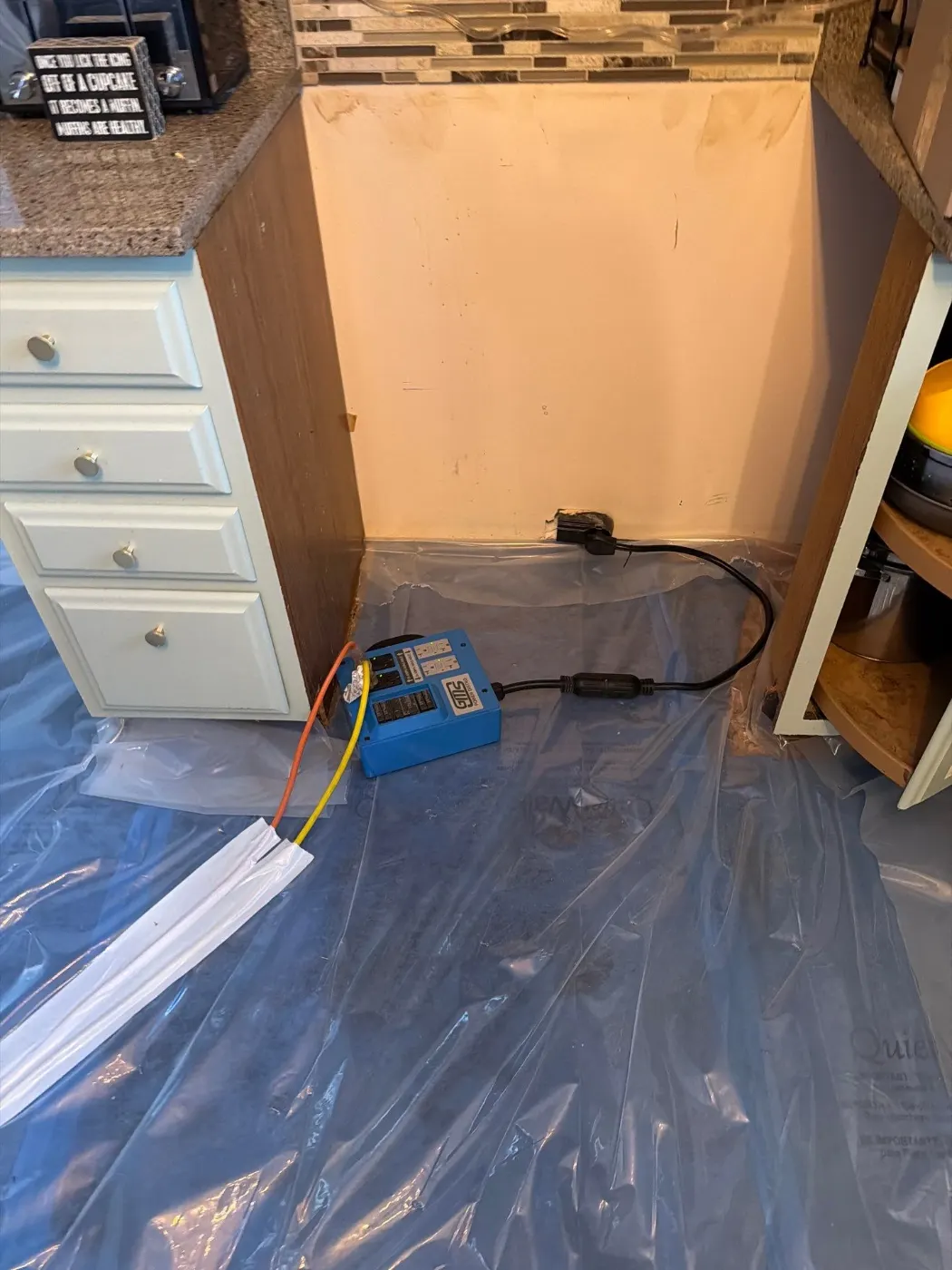
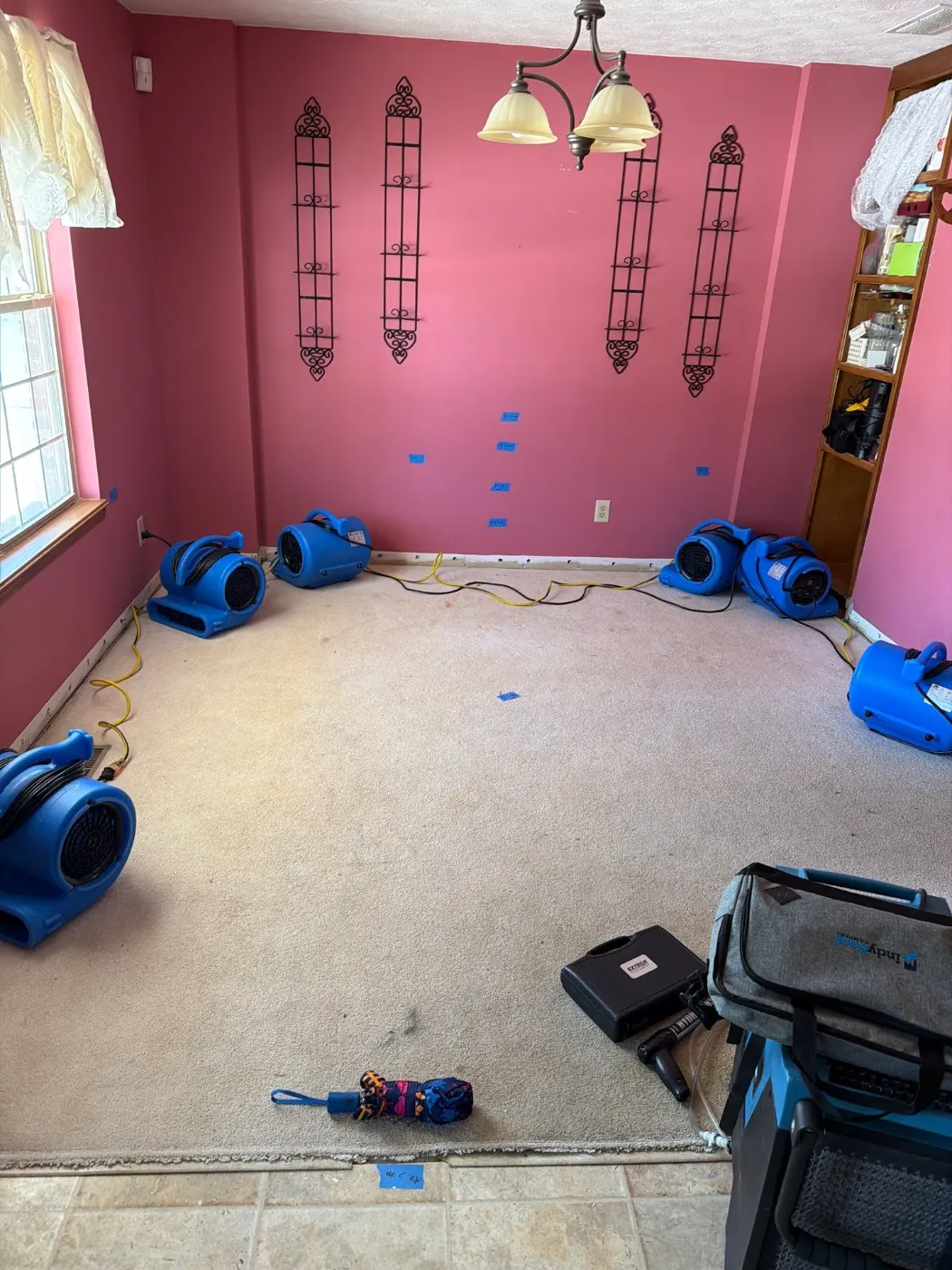
From there we make selective cuts in the ceiling, usually small inspection holes first, to confirm what the meters are showing and to vent the cavity for drying. If insulation is wet, it comes out. Wet fiberglass and cellulose lose their R-value and become a mold substrate within 48 to 72 hours. We then set up air movers and commercial dehumidifiers sized to the cubic footage of the affected space, and we monitor moisture readings daily until the framing and remaining drywall reach a dry standard. For a typical single room ceiling event in Augusta, drying runs three to five days. Larger losses or category two and three water from a bathroom overflow can take longer and require antimicrobial treatment before reconstruction. Our complete water damage restoration process is built around that IICRC S500 standard, because cutting corners on the dry out is what creates the mold remediation jobs we get called back to a year later.
Communication during the dry out is something we take seriously. You get a daily walkthrough with the lead tech, photos of moisture readings, and a clear answer on when equipment is coming out. If a reading is stalling because a hidden pocket is holding water, we tell you and adjust the plan rather than letting fans run for an extra week on the meter. Reconstruction starts only after the cavity is verified dry, and we coordinate paint and texture matching so the finished ceiling blends with the surrounding surface. Popcorn texture, knockdown, smooth level five finishes, and skip trowel all need different hands, and a mismatched patch is the giveaway that a repair was rushed.
When to Call Augusta Water Restoration in Augusta
Ceiling water damage rarely fixes itself, and the cost of waiting almost always exceeds the cost of acting. If you see staining, sagging, or active dripping in your Augusta home, call Augusta Water Restoration for a same day inspection. We will tell you exactly what is happening above your ceiling, what it will take to fix it, and whether your situation qualifies for an insurance claim. If we cannot help, we will tell you directly and point you to someone who can.
Costs, Insurance, and What Most Augusta Homeowners Pay
Ceiling water damage in central Indiana typically falls into a few price tiers. A small, contained leak with minor drywall staining and a short dry out usually runs between 1,500 and 3,500 dollars. A moderate event involving a partial ceiling replacement, wet insulation removal, and three to five days of equipment lands in the 3,500 to 7,500 range. Larger losses with structural drying of joists, multiple rooms, or category two water can push past 10,000 dollars, especially when paint, texture matching, and trim carpentry are included in the rebuild. We give you a written scope before work starts, and we document moisture readings, photos, and equipment logs so your insurance adjuster has what they need.
Most homeowner policies cover sudden and accidental water damage, which includes a burst supply line, a failed water heater, or storm driven roof leaks. What policies generally exclude is long term seepage and lack of maintenance, so the faster you report the loss and start mitigation, the stronger your claim sits. If you are unsure how to file or what your deductible covers, we walk you through it. For deeper context on pricing structure across different loss types, our water damage restoration cost breakdown covers the line items adjusters look for. We bill insurance directly in most cases, which keeps your out of pocket limited to the deductible.
It also helps to know what slows a claim down. Adjusters look for a clear cause of loss, a date of discovery, and proof that the homeowner acted reasonably to limit further damage. Photos of the original stain, a receipt for the plumber who repaired the line, and our mitigation report together build a tight file. When any of those pieces are missing, claims can sit for weeks while the carrier requests more information. We have handled enough Augusta ceiling losses to know which adjusters want what format, and we package documentation accordingly so payment moves on schedule.
One last note specific to Augusta housing stock. Older homes with plaster ceilings need a different repair approach than modern drywall, and we keep crews trained for both. If you have decorative medallions, coffered detail, or historic plaster, tell us when you call so we send the right techs. Honest assessment, careful drying, and clean reconstruction are the three things that separate a ceiling repair you forget about from one that haunts you every time you look up.
Frequently Asked Questions
How long before a wet ceiling collapses in Augusta?
A saturated drywall ceiling can fail in 8 to 24 hours depending on thickness and water volume. Augusta Water Restoration treats any visible sag over 1 inch as imminent collapse risk.
Will homeowners insurance cover ceiling water damage?
Sudden and accidental leaks are typically covered. Long term seepage and maintenance failures usually are not. Augusta Water Restoration provides itemized IICRC documentation that Augusta adjusters accept.
Can I just paint over a ceiling water stain?
Only after confirming the cavity is dry below 12 percent moisture content and sealing with a stain blocking primer. Painting over an active leak traps moisture and accelerates mold growth.
How much does ceiling water damage repair cost in Augusta?
Small patches run $400 to $900. Full ceiling replacement with drying and reframing ranges from $2,500 to $8,500 depending on square footage and water category.
Do I need mold testing after a ceiling leak?
If the cavity stayed wet longer than 48 hours or insulation was saturated, yes. Augusta Water Restoration includes visual mold inspection in every Augusta ceiling assessment and recommends third party testing when warranted.
Have a restoration question?
Our IICRC certified Augusta crew is ready to help. Free assessments, written scopes, no pressure.